Mastering the Art of Fly Fishing: Steelhead in the Great Lakes
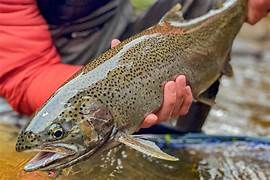
Mastering the Art of Fly Fishing: Steelhead in the Great Lakes with M. Ernest Brown
1) Know the Great Lakes steelhead calendar, and fish the right window
Fall runs, begin when water temperatures drop and rivers get their first meaningful spikes. In many tributaries, the earliest push happens after late summer heat breaks, then intensifies with autumn rains. Target the leading edge of the run, because fresh fish are aggressive and less pressured.
Winter holding and movement, steelhead settle into slower, deeper winter lies, but they still shift during warmups, thaws, and flow increases. You can catch fish all winter in many systems, especially during stable flows and slightly warmer afternoons.
Spring peaks, bring pre spawn movement, bright fish mixing with darker residents, and frequent flow changes. Spring is often the most consistent time for fly anglers because fish are widespread, feeding windows can be longer, and drifting techniques shine.
Summer options, exist in select coldwater tributaries and tailwater like systems where temperatures stay safe. Summer steelhead demand early starts, cooler water, and careful handling. If water is warm, protect the fish and do not target them.
2) Read water like a steelhead, then choose a presentation lane
Start with travel lanes, seams, soft edges, and walking speed current, where moving steelhead can hold briefly. Fish these first, because they produce the most encounters with fresh arrivals and actively traveling fish.
Identify holding water, deeper buckets, tailouts, and inside bends where steelhead can rest with minimal energy. In cold water, holding water becomes more important, and drifts need to slow down and stay in the zone longer.
Prioritize “with cover” lies, anything that breaks current, such as boulders, log structure, undercut banks, bridge pilings, and depth transitions. Great Lakes steelhead use micro structure, even in small rivers, so fish methodically.
Plan your wade, before you step in. Enter downstream and off to the side when possible, then work up. Steelhead can be surprisingly close to shore, especially in higher water or low light.
3) Match the river’s personality, and build a simple, effective steelhead fly box
Egg patterns, are staples during and after spawning activity. Choose a few sizes and colors, then adjust to water clarity. In stained water, brighter colors can help. In clear water, pale and natural tones are often better.
Stonefly and nymph profiles, such as stone nymphs, caddis larvae, and mayfly nymphs, work when fish are less responsive to eggs or when you are targeting more natural food signals. A simple dark stone style fly can be an all season producer.
Streamers, cover water and trigger aggression. Leech patterns, sculpin like flies, and baitfish silhouettes can be deadly in low light, higher flows, or when you want a reaction strike. Carry a few weights, unweighted, lightly weighted, and heavier.
Wet flies and soft hackles, shine when fish want movement but not the bulk of a streamer. Swung flies can be excellent in moderate flows, especially in tailouts and shallow riffle edges.
Color discipline, matters. Instead of carrying every shade, pick a tight set: black, white, olive, and one bright accent like pink or chartreuse. Then let water clarity and light dictate what you tie on.
4) Get your leader and tippet system right, because drift quality catches fish
Leader length, often needs to be longer than trout setups, especially when nymphing deeper runs. Many anglers do best with a system that allows quick depth changes, rather than constantly retying from scratch.
Tippet choice, should balance stealth and durability. In clear, low water, lighter tippet can help the drift and reduce refusals. In higher water, heavier tippet helps with landing fish and turning over weighted rigs.
Consider abrasion, Great Lakes tributaries can be rocky, and fish often run along the bottom. Check tippet after each fish, each snag, and any hard contact with rocks.
Use strong knots, and tie them carefully in cold conditions. A perfect drift does not matter if the connection fails on the first hard run.
5) Master indicator nymphing, it is the cleanest path to consistent hookups
Set depth first, your flies should tick bottom occasionally, not drag nonstop. If you never touch, you are probably too shallow. If you snag constantly, reduce depth, lighten weight, or adjust your angle.
Weight is a tool, use split shot or weighted flies to get down quickly in fast water. Great Lakes steelhead often hold near the bottom, and being an inch high can mean being out of the game.
Indicator sensitivity, matters. Use an indicator that supports your weight but still shows subtle hesitation. Many steelhead eats are tiny stalls, slight tilts, or a soft upstream twitch.
Mend early, then follow, make your first mend immediately after the cast to set your lane, then track the indicator with your rod tip to reduce drag. A drift with minimal belly can be the difference between spooking fish and sticking them.
Hookset discipline, set on anything unusual. Steelhead can mouth a nymph and hold it, so do not wait for a big dunk. Sweep or lift smoothly, then let the rod load before you pull hard.
6) Learn the swing, because some days steelhead want movement and commitment
Control speed, the best swing is rarely the fastest. Use mends to slow the fly and keep it in the lane. In cold water, slow it down. In warmer water, you can let it move more.
Choose the right water, swinging shines in tailouts, broad flats with a defined seam, and runs where you can step down a steady pace. You want consistent current that shapes your line and keeps your fly working.
Step down method, cast, swing, take a small step, repeat. This covers water thoroughly and helps you contact fish that are spaced out. It also keeps you honest, because you avoid recasting to the same sweet spot repeatedly.
Let them eat, when a fish grabs on the swing, resist the urge to immediately trout set. Hold tension, feel weight, then let the rod come tight. A calm response often leads to better hookups.
7) Build a Great Lakes steelhead gear setup that matches your home water
Rod selection, an 8 to 9 weight single hand can handle most tributary steelhead, especially for indicators and streamers. Longer rods help with line control, mending, and fighting fish around rocks.
Two hand advantages, when space allows, a switch or Spey style setup can be a huge benefit for swinging and covering big runs. If your tributary has tight canopy, a single hand rod may be more practical.
Lines and tips, floating lines are common for indicator rigs and many swing situations. Sink tips help when flows are up or fish are deep. Carry a couple options so you can adjust without forcing one style all day.
Reel and backing, choose a reel with a reliable drag and enough backing for long runs. Great Lakes fish can surprise you, especially in open runs where they can go far quickly.
Wading and safety gear, felt or rubber soles with studs can be essential on slick rocks. A wading staff and a snug wading belt are not optional items, they are core safety tools in cold, pushing water.
8) Dial in stealth and approach, because pressured steelhead notice everything
Low profile movement, keep a low silhouette, avoid sudden steps, and do not splash into the run. Many Great Lakes tributaries are narrow, and fish can hold close, so your first approach should be cautious.
Fish from the edges, work near shore seams and soft pockets before you wade deeper. You will be surprised how many fish use ankle deep edges, especially in stained water or early and late light.
Light and clarity awareness, in bright conditions and clear water, downsize flies, lengthen leaders, and reduce indicator size. In darker conditions, you can use bolder profiles and brighter accents to help fish key in.
Rotate water respectfully, popular tributaries get crowded. Communicate, give space, and avoid stepping into a run someone is already working. Good etiquette leads to better fishing for everyone.
9) Use a repeatable “run breakdown” strategy, so you do not miss the prime lie
Top to bottom check, start by fishing the head of the run where current funnels and oxygen is high, then work through the gut, then finish at the tailout. Many anglers only fish the middle and miss key holding spots.
Change one variable at a time, if you are not getting touches, adjust depth first, then adjust weight, then change fly size or color. Random changes make it hard to learn what the fish actually wanted.
Count your drifts, give a lane a fair shot, then move. Steelhead are often present but not obvious, and persistence helps, but endless repetition can waste peak water.
Return after a bump, if you see fish roll, feel a bump, or hook and lose a fish, rest the spot briefly and come back. Sometimes a short pause turns a missed opportunity into a landed fish.
10) Handle fish like a steward, Great Lakes steelhead deserve careful treatment
Fight efficiently, use the butt section of the rod and apply steady pressure. Long fights increase stress, especially in warmer water. Strong tippet is an ethical advantage.
Keep them wet, unhook in the water whenever possible. If you must lift for a quick photo, do it fast and low, then get the fish back in current to recover.
Use appropriate hooks, many anglers prefer single hooks for easier releases and less damage. Sharpen hooks, because a sharp hook penetrates quickly and reduces prolonged battles.
Respect spawning areas, avoid stepping on redds, and give actively spawning fish space. Targeting aggressive, resting fish in travel and holding lanes is a better choice for the resource.
11) Weather and water levels, learn what changes matter most
Flow spikes, after rain often pull fish in from the lake and spread them through the system. As water drops and clears, fish concentrate into classic holding areas. Plan your trips around the rise and the fall, not just the peak.
Barometric and sky conditions, matter less than anglers think compared to flow, temperature, and clarity. That said, overcast days often extend shallow water comfort, and high sun may push fish tight to depth and cover.
Water temperature, influences everything, metabolism, movement, and willingness to chase. In cold water, slow down and get deep. In moderate temps, fish can respond to swings and streamers more readily.
Clarity rules, in dirty water, go bigger, heavier, and higher contrast, and fish edges where visibility is better. In clear water, go smaller, lighter, and more precise, and reduce foot traffic noise.
12) Bring it all together, a practical “first hour” game plan on a Great Lakes tributary
Start by observing, look for seams, depth changes, and any sign of fish movement, rolling, flashes, or subtle nervous water. Decide whether today is a nymph day or a swing day, based on flow, clarity, and room to cast.
Cover the closest prime water, fish the near bank seam and the first soft inside lane before wading deep. This is where fresh steelhead often pause, and it is also where you can spook fish by rushing.
Establish depth quickly, with an indicator rig, adjust until you tick bottom occasionally. With a swung fly, choose a tip and fly that holds the lane without constantly snagging.
Commit to a system, fish one run with confidence, learn from the drifts, then move to the next. Steelhead fishing rewards disciplined coverage more than constant lure changes.
Finish by refining, once you find fish, fine tune with small adjustments, such as shortening the distance between weight and fly, changing to a smaller egg, or switching to a darker streamer profile. The goal is repeatability, not luck.
Bonus tip for Sheboygan Fly Shop anglers, keep a simple log and build your personal pattern library
Record conditions, date, tributary section, flow level relative to normal, clarity, temperature, and what presentations produced. Over time, you will predict productive techniques before you even rig up.
Note where in the run, the fish ate. Head, gut, tailout, seam edge, or soft inside. This teaches you how steelhead used the river that day, and it transfers well to other Great Lakes systems.
Track “misses” too, bumps, line stops, and short strikes. If you had repeated bumps on a swung fly, the next time you might downsize or slow the swing with a bigger mend. If you had constant snags, you were likely too deep, or using too much weight for your angle.
Build confidence, with proof. Steelhead can feel mysterious, but after enough logged days, patterns appear. Mastery is simply noticing the pattern faster and applying it sooner.
Thanks! M. Ernest Brown SFS Guide