Essential Gear for Successful Fly Fishing
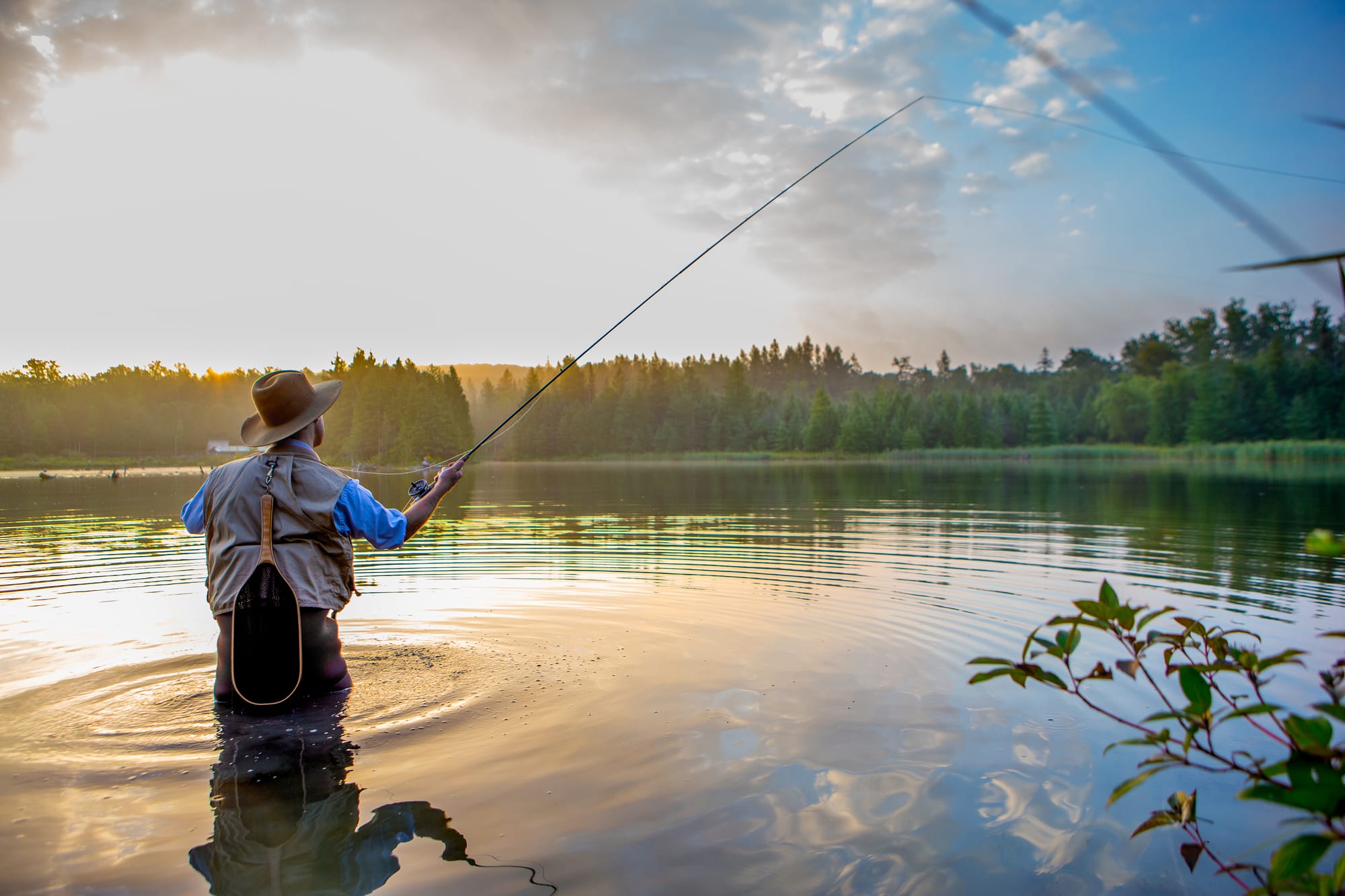
Essential Gear for Successful Fly Fishing, Sheboygan Fly Shop List of Tips
1. Start with the right fly rod for your water and target species
A fly rod is the foundation of your whole system, because it determines how efficiently you can cast, mend, fight fish, and present flies. Successful fly fishing starts with matching rod length, line weight, and action to the conditions you actually fish, not the conditions you wish you fished. If you fish small creeks with tight brush, a shorter rod helps with roll casts and quick, controlled deliveries. If you fish larger rivers or windy shorelines, a longer rod can improve line control, reach, and mending.
For most trout anglers, a 9 foot 5 weight is a versatile baseline, but the best rod is the one that matches your most common situations. A 3 weight or 4 weight excels for delicate dry fly work on small to medium streams. A 6 weight gives you more authority for bigger flies, streamers, heavier nymph rigs, and wind. For Great Lakes tributaries and bigger fish, many anglers prefer 7 or 8 weights for streamers, steelhead presentations, and handling heavier sink tips. Rod action matters too, fast rods can throw tight loops in wind and carry line efficiently, while medium actions can feel more forgiving for timing and short casts.
- Tip: Choose your first rod based on the flies and fish you throw most often, then add specialty rods later.
- Tip: If you frequently fish in wind, consider stepping up one line weight instead of simply buying a stiffer rod.
- Tip: Rods are tools, prioritize accuracy and line control over extreme casting distance.
2. Pair the rod with a balanced fly reel, drag matters more than you think
A reel does more than hold line. A properly balanced reel reduces fatigue through a long day and improves how the rod feels during casting. More importantly, a dependable drag system protects light tippets, keeps pressure consistent, and prevents sudden surges that break off fish at the net. For trout on small water, a simple click and pawl reel can be perfect, but for larger fish, long runs, or cold conditions where hands get stiff, a smooth disc drag is a serious advantage.
Consider spool capacity and retrieval rate. Large arbor reels pick up line faster and reduce coil memory, which helps when you need to regain control quickly after a fish runs toward you. Durability matters in wet, gritty environments. Sealed drags keep out sand and silt, which is helpful if you wade muddy rivers or fish in rain, but even open systems can last a long time if you rinse and maintain them.
- Tip: Match the reel to the rod’s line weight and intended backing capacity, not just the look.
- Tip: Test drag startup inertia, it should start smoothly without sticking.
- Tip: If you chase steelhead, salmon, or big warmwater fish, invest in a reel with a reliable disc drag.
3. Choose the correct fly line, it is the real engine of fly casting
Fly line selection is one of the quickest ways to improve results, because the line is what actually carries the cast and controls the presentation. A rod may have a certain feel, but the line is what turns that feel into performance. Weight forward floating lines are the standard for most freshwater scenarios, but within that category there are tapers built for different jobs. A line with a long front taper can land softly and help with delicate dry fly presentations. A more aggressive taper loads the rod quickly and turns over heavier rigs, streamers, and indicator setups.
Temperature matters. Cold water lines stay supple when air temps drop. Warm water lines resist becoming sticky and limp in summer heat. If your line is mismatched to conditions it will feel either like a stiff wire or like cooked spaghetti. Beyond floating lines, sink tip and full sink lines are essential for streamers, lake fishing, and getting flies down in current without excessive weight. Intermediates are a favorite for stillwater and for shallow currents where you want the fly under the surface but not snagging bottom.
- Tip: Buy the best fly line you can, it typically improves casting more than upgrading your rod.
- Tip: Match line taper to your primary technique, dry fly, nymphing, or streamers.
- Tip: Clean and dress your line regularly to improve shooting and floatation.
4. Build leaders that match your presentation, length and taper are tools
The leader is the transition between thick fly line and thin tippet, and it is a major driver of how your fly lands and how naturally it drifts. Many anglers use store bought tapered leaders, which are convenient and effective, but understanding leader design helps you adjust when conditions change. Longer leaders can provide separation from the fly line and improve stealth in clear, slow water. Shorter leaders can turn over big flies and handle wind better.
For dry flies, a 9 foot leader is a common starting point, and in calm, clear water you may extend to 12 feet or more by adding tippet. For nymphing, especially with an indicator, you might shorten the leader to improve turnover and manage depth, or incorporate a dedicated sighter section for contact nymphing. For streamers, a shorter, stiffer leader often works best, because it turns over heavy flies and helps drive the hook home with less delay. Material choice matters, nylon is forgiving and floats better, fluorocarbon sinks and can be more abrasion resistant, making it handy for nymphs and streamers.
- Tip: Carry a few leader lengths, 7.5 foot, 9 foot, and a spool of tippet to extend.
- Tip: Use stiffer leader material for wind and streamers, and more supple material for tiny dries.
- Tip: Replace leaders before they get too short and start turning over poorly.
5. Stock the right tippet sizes, diameter is often more important than strength
Tippet is the final connection to the fly. It affects drift, sink rate, visibility, and break strength. Many anglers focus on pound test, but in fly fishing, diameter often matters more. Matching tippet size to fly size helps keep the fly behaving naturally. Too heavy a tippet can cause micro drag on dries. Too light a tippet with weighted flies can lead to break offs and lost fish, especially around rocks, wood, and weeds.
For typical trout fishing, common sizes range from 3X down to 7X. Bigger dries, hoppers, and streamers often use 0X to 3X. Tiny midges may require 6X or 7X in clear water. Warmwater species like bass and pike often call for stronger tippet, sometimes including wire or heavy fluorocarbon when teeth are involved. Tippet management is also about efficiency, because time spent retying is time not fishing. Carrying the right sizes prevents “making do” with a mismatch that costs fish.
- Tip: Follow the basic guideline, fly size divided by 3 or 4 gives a reasonable X size starting point.
- Tip: Carry at least three trout tippet sizes you use most, for example 3X, 4X, 5X.
- Tip: Use abrasion resistant material when fishing near rocks, logs, or mussel covered structure.
6. Learn and carry a small set of essential knots, and practice them
Knots are part of gear, not just technique. The best rod and line cannot compensate for a poorly tied knot, especially with light tippet. Successful fly fishing depends on confidence that your system will hold when a good fish finally eats. You do not need dozens of knots, you need a few that you can tie correctly in wind, in cold, and with wet hands.
A strong line to leader connection might be a nail knot, a loop to loop connection, or a braided loop, depending on preference. Leader to tippet can be a surgeon’s knot or blood knot. Tippet to fly is often an improved clinch or a nonslip loop knot, the loop is especially useful for streamers because it lets the fly swim more freely. The best approach is to pick a small set, then commit to practicing at home until it is automatic.
- Tip: Use a nonslip loop knot for streamers and larger nymphs to improve action.
- Tip: Wet knots before tightening, and tighten smoothly to avoid friction damage.
- Tip: Check knots after snagging, even a light hang up can weaken tippet.
7. Keep a focused fly selection, carry patterns that cover the water column
Flies are the most visible part of fly fishing, but carrying too many can create decision fatigue. A smart fly box is organized around function and season. You want a few confidence dry flies, a set of nymphs that represent common aquatic insects, and a streamer section for searching and triggering aggressive strikes. In many waters, exact matching is less important than size, silhouette, and drift, especially for nymphing. For dry fly fishing, more precise matching can matter, but even then, a few versatile patterns cover a lot of hatches.
For trout, a practical baseline includes mayfly dries like Adams style patterns, caddis dries, a few terrestrials, and midge clusters for tough days. For nymphs, consider pheasant tail style patterns, hare’s ear style patterns, stonefly nymphs where appropriate, and a selection of beadhead and unweighted options. Add some attractor nymphs and a few jig style flies to reduce snags. For streamers, include baitfish imitations and leech patterns in sizes that match your river’s forage. Warmwater anglers should include poppers, divers, and baitfish streamers. In Great Lakes regions, egg patterns and larger streamers can be essential in certain seasons.
- Tip: Organize flies by technique and size so you can change quickly on the water.
- Tip: Carry duplicates of your top producers, losing the only one is a common mistake.
- Tip: Include at least one searching pattern for each category, dry, nymph, and streamer.
8. Use strike indicators wisely, they are tools for depth and drift control
Indicators are not just bite bobbers, they are drift management tools. They help suspend nymphs at a chosen depth, track the drift, and reveal subtle takes. They also let you fish effectively in mixed currents where direct contact is difficult. There are multiple styles, yarn, foam, and plastic, and each has strengths. Yarn indicators land softly and can be adjusted for sensitivity. Foam and plastic indicators are durable and easy to see, and they support heavier rigs.
Indicator size should match the weight of your rig. Too small and it sinks or drags, too large and it causes unnatural floats and missed strikes. Placement matters too. A common starting point is setting the indicator about one and a half times the depth of the water, then adjusting based on bottom ticks and drift speed. If you never tick bottom, you might be too shallow. If you constantly snag, raise the rig or reduce weight. In cold water, subtle takes are common, so a sensitive indicator setup often pays off.
- Tip: Use the smallest indicator that still floats your setup confidently.
- Tip: Watch for hesitations and micro dips, not just full dunk takes.
- Tip: Adjust depth frequently as you move through different runs and pockets.
9. Add split shot and weight options, depth is often the difference between fish and no fish
Many fly fishing days come down to one question, are you fishing where the fish are. In moving water, that often means getting the fly down. Split shot is a simple and effective tool for tuning sink rate. It lets you adapt quickly to different depths and current speeds without changing flies. However, weight must be used thoughtfully. Too much weight can cause constant snags, unnatural drifts, and spooked fish when the rig splashes down. Too little weight can keep your nymphs above the feeding lane.
There are alternatives to standard split shot, such as tungsten putty, slotted shot, or weighted flies. Tungsten beads on nymphs add consistent weight without pinching the leader, but split shot gives finer adjustability. For streamers, sink tip lines or polyleaders can be better than adding heavy weight that ruins casting. The goal is to approach weight as part of a system, line choice, leader design, fly weight, and shot all work together.
- Tip: Start with less weight than you think, then add until you tick bottom occasionally.
- Tip: Place split shot far enough above the fly to reduce spooking, often 6 to 18 inches depending on clarity.
- Tip: Use non toxic split shot where required, and store it securely.
10. Carry a dependable landing net, it improves catch rates and fish care
A net is one of the most practical pieces of gear for successful fly fishing because it prevents last second chaos. Many fish are lost at the bank, not during the fight. A proper net helps you land fish quickly, reduces handling, and makes it easier to release fish in good condition. It also saves your tippet, because you do not have to grab the leader and risk popping it at close range.
Net style matters. Rubber or silicone bags are gentler on fish than knotted nylon, and they reduce hook tangles. Handle length depends on where you fish. A longer handle is helpful for wading deep or fishing steep banks, while a compact net is convenient for small streams. Magnet or retractor systems keep a net accessible without constant snagging. If you fish from a boat, a larger hoop can help with bigger fish and awkward angles.
- Tip: Choose a rubber or silicone net bag for easier releases and fewer tangles.
- Tip: Size the net to your typical fish, not your dream fish, but do not undersize it.
- Tip: Net fish head first, then keep them in the water while you unhook.
11. Upgrade your waders and boots, staying dry and stable is a performance advantage
Comfort and safety directly affect how well you fish. When you are cold, wet, or slipping, you stop paying attention to drift and reading water. Breathable waders with good fit help you move, climb, and wade longer without fatigue. Stockingfoot waders paired with sturdy boots are the standard for most anglers because they provide ankle support and traction. Boot soles come in multiple types, felt, rubber, and rubber with studs. Each has advantages. Felt grips very well on slick rocks but can be restricted in some regions due to invasive species concerns. Rubber is versatile and easier to clean, and studs can improve bite on algae covered stones.
Layering under waders is the key to comfort. In colder months, base layers that wick moisture keep you warm even when working hard. In shoulder seasons, lighter layers prevent overheating. Fit matters at the boot as well. Boots that are too loose cause blisters and instability. Boots that are too tight restrict circulation and make feet cold. For local waters, evaluate typical bottom type, round cobble, flat limestone, mud, or sand, then choose soles that match.
- Tip: Prioritize traction and ankle support, they reduce falls and make you more confident in current.
- Tip: Use a wading belt always, it adds safety and improves fit.
- Tip: Rinse boots after each trip to protect materials and reduce transfer of invasive organisms.
12. Wear a wading jacket or rain shell that actually works for casting
Weather protection is often overlooked until a cold rain or strong wind ruins a day. A good shell keeps you fishing comfortably, but it must also allow full range of motion for casting and line management. Fly fishing jackets often have shorter hems so they do not bunch under a wading belt, and they may include high pockets for fly boxes and hand warming. A well designed hood that turns with your head matters more than people realize, because it keeps peripheral vision clear as you track line and fish.
Breathability matters on active hikes and long days, because sweat inside your shell makes you cold later. Zippered vents help. Cuffs should seal but not be bulky. If you often fish in wind, a jacket with a firm brim and good adjustments helps you stay focused. For warmer months, a packable rain jacket and a breathable wind shirt can cover most situations without taking much space.
- Tip: Choose a jacket with sleeves that do not ride up during casting.
- Tip: Keep a lightweight shell in your pack even on sunny forecasts, weather changes quickly near water.
- Tip: Use moisture wicking layers under shells, cotton traps moisture and chills you.
13. Protect your eyes with quality polarized sunglasses, they are safety gear and fish finding gear
Polarized sunglasses are essential in fly fishing. They reduce glare, letting you see structure, depth changes, and sometimes fish themselves. Better visibility helps you pick a route through riffles and seams, spot drop offs, and avoid tripping hazards. Eye protection also matters for safety, because flies and split shot move fast. A hooked fly to the eye is a severe injury. Glasses reduce that risk in both casting and when unhooking fish that thrash.
Lens color is situational. Amber and copper improve contrast in variable light and can be excellent for rivers and partly cloudy days. Gray is more neutral for bright sun. Yellow can help in low light but may be too bright in full sun. Fit and coverage matter, wrap styles reduce side light and wind. Keep them clean, and use a retainer so they do not sink if they fall.
- Tip: Treat sunglasses as mandatory, not optional, even on overcast days.
- Tip: Choose lens color based on your typical conditions, not one universal guess.
- Tip: Keep a backup pair in your vehicle, losing them can end a trip early.
14. Use a sling pack, chest pack, or vest that keeps tools accessible and organized
Carrying gear efficiently makes you more effective because you spend less time searching for things and more time fishing. The best pack is the one that fits your body and fishing style. Vests distribute weight evenly and keep items visible. Sling packs are popular because they hold more, stay out of the way while casting, and swing forward for access. Chest packs are excellent for wading deep because they keep gear high and dry and provide a compact working platform.
Organization is as important as capacity. Separate compartments for fly boxes, tippet, and tools reduce clutter. Attachment points for nippers, forceps, and floatant keep critical items within reach. Waterproof pockets or pouches protect phones, keys, and permits. Avoid overpacking. Extra gear adds weight and slows movements on tight banks. Build your kit in layers, a core set of essentials that always comes, and a few optional items for specific conditions.
- Tip: Set up a consistent home for each tool, then return it there every time.
- Tip: Keep frequently used items on zingers or retractors to reduce fumbling.
- Tip: If you wade deeper water, consider chest oriented storage to keep gear safe and reachable.
15. Pack the right tools, nippers, forceps, hook sharpener, and a simple multi tool
Small tools keep you efficient and prevent minor problems from turning into trip ending failures. Line nippers are essential for clean tag ends and quick fly changes. Hemostats or forceps help remove hooks safely, especially on small flies or deeply hooked fish. They also help crimp barbs. A hook sharpener is a surprisingly powerful advantage, because many missed fish come from dull hooks after bouncing along the bottom or scraping rocks.
A simple multi tool or small knife can cut leaders, open packaging, remove debris from guides, and handle emergency repairs. However, keep tools minimal and reliable. Cheap nippers dull quickly, and cheap forceps can rust and seize. If you fish in cold conditions, choose tools you can operate with gloves. If you fish from the bank in brushy areas, attach tools securely to avoid losing them.
- Tip: Check hook points often, if it drags on a fingernail, sharpen it.
- Tip: Use forceps to remove hooks while keeping fish in the water whenever possible.
- Tip: Carry a small clip on zinger for nippers, it saves time and prevents loss.
16. Include floatant and desiccant, dry fly success depends on staying on top
If you fish dry flies, flotation maintenance is part of the system. Even the best tied fly gets slimed, waterlogged, or dragged under by micro currents. A good gel floatant helps pre treat flies and improves initial float. Powder desiccants help dry a fly after it has been in the water. This is especially useful when fish refuse a fly that sits too low or leaves a wake. For CDC style flies, powders made for delicate feathers work better than gels that can mat fibers.
Floatant also applies to leaders in some situations. A little leader and line dressing, applied carefully, can help reduce drag and keep the leader from sinking near the fly, improving drift. Be mindful not to overdo it. Too much product can make a mess and collect grit. Keep bottles closed tightly, and store them where they will not leak onto fly boxes.
- Tip: Use gel floatant before fishing a dry, then use desiccant after it gets soaked.
- Tip: Carry a small amadou patch or drying cloth to squeeze moisture out quickly.
- Tip: Avoid over applying floatant to CDC or very delicate materials, use the right product.
17. Bring a thermometer, understanding water temperature improves your decisions
A small stream thermometer is a simple tool that can improve catch rates and help protect fish. Water temperature influences insect activity, fish metabolism, and where fish hold. In many trout rivers, action can swing dramatically within a few degrees. Knowing the actual temperature helps you choose whether to focus on nymphing deeper, waiting for a hatch, or switching to streamers in low light when fish are more willing to chase.
Temperature also informs fish handling ethics. In warm water periods, catch and release mortality can increase. If water is too warm, the best decision may be to fish early morning only, shorten fights, keep fish wet, or target more heat tolerant species. A thermometer is inexpensive and fits easily in a pack. It gives you information that is often more reliable than guesswork based on air temperature alone.
- Tip: Measure temperature in flowing water, not in shallow sun warmed edges.
- Tip: Use temperature trends to plan, rising temps can trigger hatches and feeding windows.
- Tip: If water is warm and fish are stressed, consider changing plans to protect the resource.
18. Use a wading staff and traction aids when conditions demand it
Many productive fly fishing spots involve slippery rocks, uneven bottoms, or strong current. A wading staff improves balance and confidence, letting you reach better water safely. It also reduces fatigue, because you are not constantly bracing with leg muscles. Traction aids like studs can be just as important. The best anglers are those who can move safely to the right seam, the right depth, and the right angle without falling or rushing.
A folding staff that stores in a holster is convenient. Some anglers prefer a fixed staff for durability. Whatever you choose, practice using it. Plant it firmly before stepping, and test depth and bottom texture. Safety is part of success, because an injury ends the day and can ruin a season.
- Tip: Use a staff in faster water, in winter, or whenever algae makes rocks slick.
- Tip: Do not rush crossings, take short steps and keep two points of contact.
- Tip: Consider adding studs if your local rivers have polished rock or heavy algae growth.
19. Keep your line management tight, use stripping baskets or line trays when needed
Line management is a hidden factor in fly fishing success. Loose coils catch on boots, rocks, brush, and net handles at the worst moment, often during the hook set or a fish run. In moving water, line can be pulled downstream and create drag before the fly drifts into the zone. In lake or shoreline fishing, wind blows line into tangles. A stripping basket or line tray solves many of these problems by controlling coils and keeping line clean.
Even without a basket, you can improve management by stripping line in consistent coils and pinning it lightly under a finger. In current, keep your rod tip and line angles organized. Avoid stepping on line. Check guides for debris, a tiny piece of vegetation can wreck casting and create mysterious break offs. If you fish streamers from banks or piers, a basket can be a game changer.
- Tip: Use a stripping basket for windy shorelines, big lakes, and salt style presentations.
- Tip: Strip line in uniform loops to reduce tangles and speed up hook sets.
- Tip: Clear line from around your feet before making a long cast.
20. Pack safety and comfort essentials, first aid, hydration, and light
Successful fly fishing is not only about hookups. It is about being prepared enough to fish well all day and get back safely. A small first aid kit covers common issues, cuts from hooks, blisters, and scrapes. Include bandages, antiseptic wipes, and a small roll of tape. Hydration matters even in cold weather, because waders and hiking dehydrate you. Carry water and a small snack, low blood sugar makes people careless with footing and knots.
Sun protection is also essential. Bring sunscreen and lip balm, sun exposure off water is intense even on cloudy days. A headlamp is helpful if you walk in at dawn or leave at dusk. A whistle or small signaling tool can help in emergencies. A waterproof phone pouch can keep your phone functional for photos, maps, and safety. These items are not glamorous, but they keep you fishing confidently.
- Tip: Carry a headlamp year round, short days happen fast near wooded rivers.
- Tip: Bring more water than you think you need, and drink steadily.
- Tip: Keep a compact first aid kit in the same pocket every trip so you can find it quickly.
21. Maintain your gear, performance drops when equipment is neglected
Gear maintenance is a major part of consistent fly fishing success. Dirty fly lines cast poorly and float lower, which increases drag and reduces control. Reels collect grit and can develop rough drags. Waders develop pinhole leaks that become cold distractions. Leaders get abraded and weaken. A few minutes of care after each trip prevents many problems. Rinse reels and lines, especially after fishing muddy water or rain. Dry waders properly, inside and out, and store them away from heat sources that can damage membranes.
Check rod guides for cracks and rough spots that can cut line. Inspect ferrules and keep them clean to prevent stuck sections. Replace worn laces on boots. Sharpen hooks or replace flies that have been chewed and twisted. If you fish frequently, schedule periodic deeper maintenance, line cleaning, reel lubrication according to manufacturer, and wader seam inspection. Well maintained gear keeps your mind on tactics, not on failures.
- Tip: Clean fly lines regularly, then apply dressing appropriate for the line type.
- Tip: After each trip, check 2 feet of tippet and leader for abrasion and retie if needed.
- Tip: Dry waders fully before storage to prevent odor and material degradation.
22. Build a modular kit for your local waters, quick swaps increase time fishing
A practical way to ensure you always have essential gear is to build a modular system. Keep a core bag ready with tippet, nippers, forceps, floatant, and a small fly selection. Then create add on modules for specialized trips, a streamer wallet and sink tips for big water, a dry fly box and longer leaders for calm evenings, an egg and stonefly kit for seasonal runs, and a warmwater kit for bass and panfish. This approach reduces the chance you forget something critical and prevents overpacking for every trip.
Modular organization helps on the water too. If your day starts with nymphing and transitions to a hatch, you can swap boxes quickly without emptying your pack. If the wind comes up, you can switch leader length and fly selection efficiently. The more smoothly you adapt, the more time your fly spends drifting correctly.
- Tip: Keep a small checklist in your vehicle or pack until your system becomes habit.
- Tip: Store seasonal kits in labeled pouches so you can grab and go.
- Tip: Refill consumables immediately after trips, tippet, split shot, and floatant.
23. Consider specialty gear that matches your style, euro nymphing, streamer fishing, stillwater
Once you have the essentials, specialty gear can boost success for specific techniques. For contact or euro nymphing, a longer rod, often 10 to 11 feet in a 2 to 4 weight range, improves reach and drift control. A dedicated thin diameter line, a long leader with a sighter, and tungsten jig nymphs complete the system. For streamer anglers, a 6 to 8 weight rod, sink tip lines, and stout leaders are common. Streamer fishing also benefits from a stripping basket on shorelines and a selection of weighted and unweighted patterns to vary depth and speed.
Stillwater fishing can require different tools. Longer leaders, intermediate lines, and a set of flies like chironomids, leeches, and damsel nymphs can be essential. A small anchor system if you fish from a float tube or small craft can help maintain position. Measuring tools like a depth finder are not required, but a simple countdown method combined with different sink rates can get you into the zone. Specialty gear is not about buying everything, it is about aligning a few key items with how you fish most.
- Tip: Add specialty gear only after you identify a consistent problem it solves.
- Tip: For euro nymphing, focus on leader design and sighter visibility as much as the rod.
- Tip: For streamers, carry multiple sink rates or tips to cover the water column efficiently.
24. Use fish handling tools responsibly, barbless options and quick release methods
Landing fish successfully is part of the goal, but doing it responsibly keeps fisheries healthy and improves your own efficiency. Barbless hooks, or at least pinched barbs, allow faster releases and reduce injury to fish. They also reduce injury risk to anglers, which matters when a fish thrashes in the net. Proper forceps help remove hooks quickly. Measuring mats can protect fish if you must measure length, but in most cases, keeping fish in the water and minimizing handling is best.
If you plan to take photos, prepare first. Have your camera ready, wet your hands, and keep the fish in the net in the water until the moment you lift it. Keep lift time short. If a fish is deeply hooked, sometimes the best choice is to cut the tippet close to the fly rather than digging. Responsible handling is also practical, because it reduces time spent wrestling fish and lets you get back to fishing.
- Tip: Pinch barbs to speed releases and reduce damage to fish and gear.
- Tip: Keep fish in the water as much as possible, especially in warm conditions.
- Tip: If a fish is exhausted, revive it facing into gentle current until it kicks away strongly.
25. Final checklist mindset, match gear to the mission and keep it simple
The most successful fly anglers are not those who carry the most gear. They carry the right gear, keep it organized, and understand how each piece supports presentation, depth, drift, and safety. If you build your setup around the water you fish near Sheboygan and surrounding areas, you will spend less time adjusting and more time presenting flies effectively. Start with a balanced rod, reel, and line. Add leaders and tippets that match your techniques. Keep a focused fly selection that covers top, mid, and bottom of the water column. Then build outward, indicators, weight, net, wading gear, packs, tools, and safety items.
When in doubt, simplify. A clean system with fewer variables makes it easier to diagnose problems. If you are not catching fish, you can check depth, drift, fly choice, and stealth without wondering if your gear is sabotaging you. Keep notes on what you used and how it performed, even a quick note on line type, leader length, and water temp helps you refine over time. With the essentials dialed in, you will fish with more confidence, adapt faster, and convert more opportunities into fish in hand.
- Tip: Build your kit around your most common trip, then expand for special occasions.
- Tip: After each outing, restock and reset, so the next trip starts smoothly.
- Tip: If something fails twice, upgrade it or change the system, reliability is part of success.
Hey thanks! M. Ernest Brown SFS Guide