Fly Fishing the Driftless Area of Wisconsin
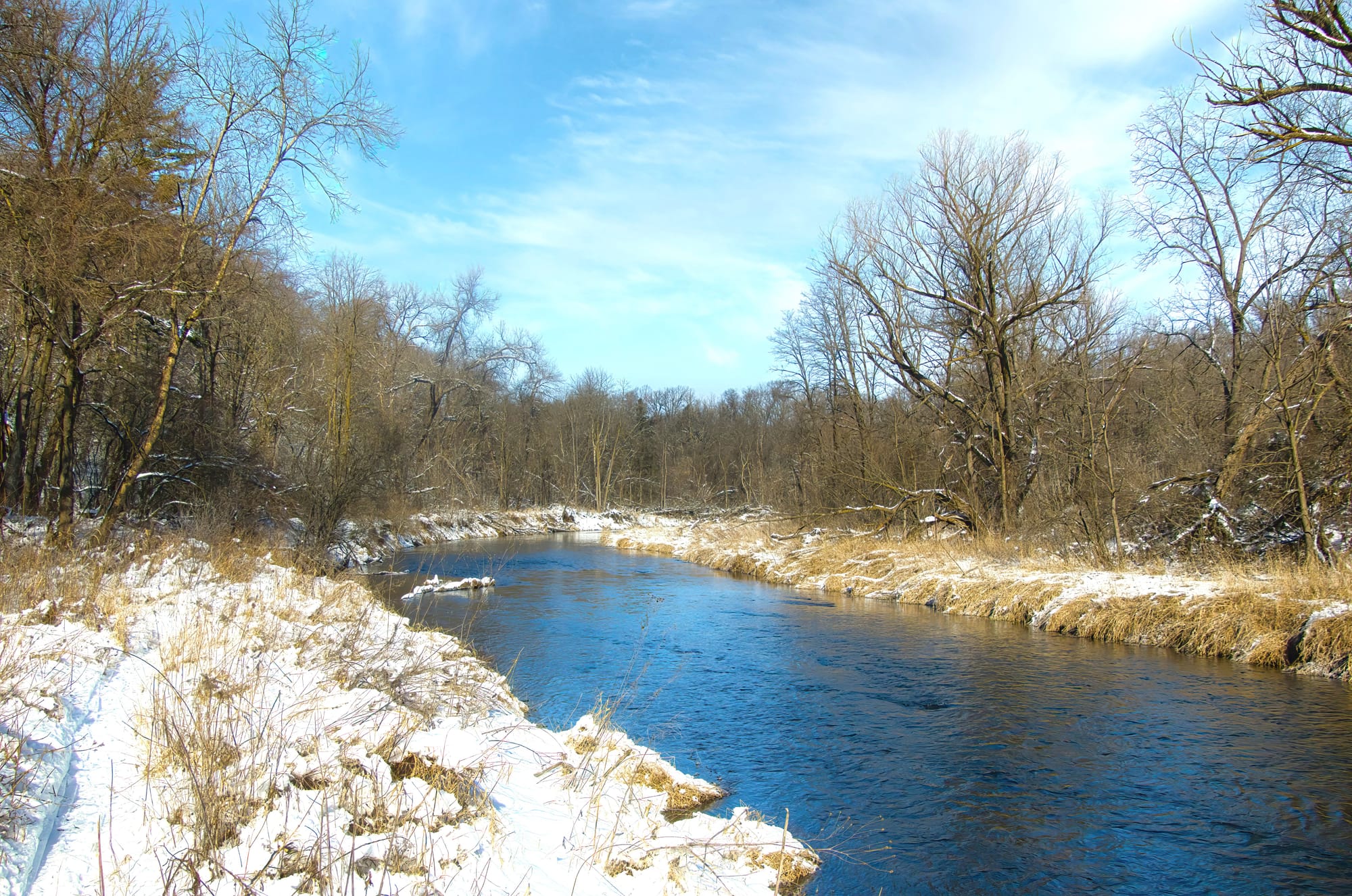
Fly Fishing the Driftless Area of Wisconsin, 15 Practical Tips and Tactics By M. Ernest Brown
1. Understand what makes the Driftless special, then fish like it
- The Driftless Area is spring creek country without the stereotype. Cold groundwater, limestone influence, and consistent flows create year round trout habitat. Many streams run clear and stable, with food sources that can keep trout feeding even when weather changes quickly.
- Think in terms of micro habitats. Undercut banks, cattle tread shelves, root wads, and seams along grass edges often matter more than the main channel. Trout can hold in surprisingly thin water if overhead cover exists.
- Approach each creek as a series of short problems. The average productive section is often a 20 to 60 foot run, not a half mile float. Driftless success comes from careful positioning and repeated accurate drifts.
2. Time your trips around realistic seasonal windows, not a single hatch myth
- Early spring: Expect cold mornings and midday bursts of activity. Nymphing and streamers can carry the day, with occasional midge or early mayfly action when conditions line up.
- Late spring into early summer: This is prime time for dry fly fishing. Caddis, mayflies, and terrestrials overlap, and trout often move into predictable lanes along undercuts and riffle tails.
- Summer: Water temperatures can rise on smaller creeks, especially on bright afternoons. Fish early and late, prioritize shaded reaches, and consider higher gradient spring fed tributaries that stay cool. Terrestrials become a main course.
- Fall: Streamers, eggs, and small nymphs shine, and browns become more aggressive. Dry fly windows still exist on warmer afternoons, especially with midges and small baetis.
- Winter: If access is safe and legal, midges and small nymphs can produce. Focus on the warmest part of the day and the most stable spring creek sections. Keep fish handling minimal to protect stressed trout.
3. Use a stealth checklist, because the creeks are often intimate and clear
- Stay low and use the bank as cover. Crouching and kneeling are not optional on bright days, especially in open pasture reaches where a single silhouette can shut fish down.
- Wade less. Many Driftless streams are best fished from the bank, using careful steps and long reaches. When you must wade, enter where depth and turbulence hide you.
- Watch your shadow. The sun angle can betray you even when you feel hidden. If your shadow crosses a run, back off and re approach from a different angle or wait it out.
- Slow down your approach. Take a full minute to observe each pool, look for subtle head and tail sips, fin tips, and pale flashes tight to the bank.
4. Dial in Driftless leaders, tippet, and the casts that actually work here
- Dry fly leader: A 9 to 12 foot tapered leader is a strong baseline. Add tippet rings if you like clean rebuilds. Extend with 5X or 6X for tiny dries and clear water, and shorten or step up to 4X when throwing foam terrestrials or windy conditions.
- Nymph leader: Use a long leader, often 10 to 12 feet, with a dedicated sighter section if tight line nymphing. If using an indicator, keep the system light and adjustable, and avoid oversized bobbers that spook fish.
- Streamer leader: Shorten up to 7 to 9 feet, go 3X to 0X depending on fly size and cover. In tight banks and brush, abrasion resistance matters as much as strength.
- Practice three Driftless casts: the bow and arrow cast for tunnel brush, the reach cast to control drag immediately, and the roll cast for quick deliveries under willows.
5. Make drag free drift your top priority, even when trout are not rising
- Many Driftless creeks have conflicting currents in short spaces. A good drift is usually won in the first second after the fly lands. Use slack line, reach casts, and aerial mends to set the drift before the fly starts moving.
- For dries, aim for upstream or up and across presentations that let the fly float naturally into the lane. Downstream presentations can work, but they demand excellent slack and careful rod positioning.
- For nymphs, keep contact without pulling. The best drift often feels like nothing at all, then the line simply pauses. Treat every pause as a potential take.
6. Fish the banks like you mean it, because the biggest trout often live there
- Undercut banks are classic Driftless structure. Feed your fly inches from the grass edge and let it drift tight. Many anglers fish the middle out of habit, and leave prime water untouched.
- Use angles that keep your line off the fish. A cross stream cast that drapes line over the holding lie can put fish down. If possible, present from downstream and slightly off to the side so your leader approaches first.
- Probe bank water in layers. Start with the closest and tightest lie, then move outward. This reduces the chance of lining fish that were willing to eat.
7. Build a small, effective Driftless fly box, not an overwhelming one
- Dry flies that earn space: small parachute mayflies in olive and gray, elk hair caddis in tan and olive, CDC emergers, and a handful of foam terrestrials like ants, beetles, and hoppers.
- Nymphs that cover most days: pheasant tails, hare’s ears, perdigons in simple colors, midge larvae and pupae, and a few scuds or sowbugs for spring creek type sections. Keep sizes mostly in the 14 to 20 range, depending on the creek.
- Streamers for realistic coverage: small sculpin patterns, leeches, and simple baitfish profiles. In many Driftless streams, a 2 to 3 inch streamer is plenty, and often outperforms larger meat on clear days.
- Do not forget attractors: a soft hackle or a small wet fly can bridge the gap when trout refuse to commit to a dry or when you see vague subsurface swirls.
8. Match your tactics to water type, because Driftless streams can change every bend
- Riffles: Great for nymphing and soft hackles. Fish the seams and the tail outs where depth collects. A small nymph under a yarn indicator, or a tight line rig with modest weight, can be deadly.
- Glides: Classic dry fly water when bugs are active. Approach carefully, cast longer, and prioritize perfect drifts over fly changes. One good drift can beat ten mediocre ones.
- Deep bends and undercuts: Streamers and heavy nymphs shine. Work from downstream with short accurate casts, and use strips or swings that keep the fly near the bank.
- Beaver ponds and slow pools: These can hold larger fish, but they are unforgiving. Consider longer leaders, smaller tippet, and subtle presentations, including tiny dries, emergers, and midge patterns.
9. Learn a simple, repeatable nymphing system for Driftless success
- Two fly rigs often outperform one fly. Use a slightly heavier point fly and a lighter dropper, or a tag system if you prefer. Keep the rig simple enough that you can change quickly.
- Weight placement matters. In smaller creeks, too much split shot creates snag city and unnatural drifts. Start light, then add weight until you tick bottom occasionally, not constantly.
- Strike detection is about discipline. The Driftless take can be subtle, especially with pressured fish. Watch your sighter or indicator for hesitations, sideways movement, or micro stalls.
- Target small buckets. Instead of long drifts through a whole run, focus on the specific pocket where depth, cover, and current converge, then reset and do it again.
10. Treat dry fly opportunities like a process, not a lottery ticket
- When you see rising fish, pause and observe. Count the rhythm of rises, identify the lane, and note whether the fish is feeding on top or just under the film.
- Start with an easy match. A small mayfly parachute or a simple caddis covers more situations than anglers admit. If refusals happen, adjust size first, then profile, then color.
- Use a dry dropper when appropriate. In riffle edges or pocketed runs, a buoyant dry with a small nymph can be a high percentage approach when you are unsure what fish want.
- When fish are bulging or swirling but not eating dries, switch to an emerger or soft hackle. Present it with a dead drift and a gentle lift at the end, which can imitate an insect ascending.
11. Make streamer fishing a deliberate plan for bigger trout
- Streamers are not only for high water. They can be excellent in clear flows if you fish them thoughtfully. Use smaller patterns, longer pauses, and less aggressive strips when trout are wary.
- Work structure methodically. Start with the darkest undercut, then the next, and then the softer edge water. One or two casts per prime slot is often enough before you move, because repeated splashy casts can ruin the lie.
- Vary retrieve until you find the day’s trigger. Try a slow crawl, a quick two strip then pause, and a swing at the end of the drift. Many strikes happen as the streamer changes direction.
- Choose line and weight for control. A sink tip can help keep the fly in the zone in deeper bends, but in many narrow creeks, a floating line and a weighted streamer offer better accuracy and easier mending.
12. Handle access, boundaries, and etiquette with care
- Know the difference between public easement and private land. Some stretches offer public fishing corridors, others are strictly private. Confirm rules before you step in, even if a stream looks inviting.
- Close gates, respect livestock, and avoid damaging banks. Driftless sod banks can be fragile. Use established crossings where possible, and avoid climbing crumbling edges that accelerate erosion.
- Give other anglers space. These are small creeks, and sound travels. If someone is working a reach, consider moving to a different section rather than leapfrogging.
- Pack out everything, including clipped mono and tippet. Small streams collect debris quickly, and wildlife can easily become entangled.
13. Prepare for Driftless weather and water clarity swings
- Spring and fall can bring sudden rain. Many Driftless streams can color up quickly with runoff, while spring fed sections may stay clearer. Use this to your advantage by having backup creeks at different elevations and watershed sizes.
- In slightly stained water, trout often feed with more confidence. This is a great time for slightly larger nymphs, brighter attractors, or streamers tight to cover.
- In ultra clear water, reduce flash and bulk. Choose slimmer nymphs, smaller dries, and longer leaders. Move slower and treat every fish as if it has already seen your fly twice.
- Dress for brush and ticks. Long pants, layers, and a method for tick checks matter. Many prime banks are grassy and the walk in can be as consequential as the fishing.
14. Build a plan for water temperature and trout safety
- Carry a stream thermometer and use it. If water temps approach stressful levels for trout, shift to cooler tributaries, fish earlier, or consider calling it and coming back when conditions improve.
- Fight fish efficiently. Use tippet that supports firm pressure, keep the rod angle smart, and avoid extended battles in warm water.
- Land fish quickly and keep them wet. Unhook in the water when possible, limit handling, and release as soon as the fish is stable.
- Barbless hooks are worth considering, especially when fishing small dries and nymphs where quick releases reduce stress and increase your efficiency.
15. Develop a Driftless day strategy, a simple checklist that keeps you consistent
- Start with observation at the first parking spot. Look for insect activity, rising fish, and water clarity. Decide whether you will begin with a dry, a nymph, or a streamer based on evidence, not hope.
- Cover water with intent. On small creeks, you can fish a surprising number of lies in a short time. Work upstream when possible for stealth, and hit the bank structure thoroughly.
- Change one variable at a time. If you are not getting eats, adjust depth first, then drift, then fly. Many anglers change patterns too fast, when the real problem is drag or depth.
- Log what worked. Note the creek type, the water level, the time, and the successful flies. Driftless patterns repeat, and your notes build a personal playbook faster than memory ever will.
- End the day with a short “last light” plan. Terrestrial falls, caddis activity, and streamer bites can peak late. Save a few prime undercuts or a favorite glide for the final hour and fish it carefully.
Bonus tip, a few common Driftless mistakes to avoid
- Over casting. The best Driftless anglers make fewer casts, but better ones. If you are false casting repeatedly over a pool, you are announcing your presence.
- Fishing too far away from cover. In many sections, the most consistent fish are tight to grass edges, under roots, and along shaded seams. Put the fly where you think it is too close, then inch closer with control.
- Ignoring small water. Skinny riffles and side channels can hold trout, especially when insects are active or when bigger fish slide up to feed. A short drift can be all you need.
- Treating every creek the same. Some Driftless streams reward delicate dry fly approaches, others are perfect for tight line nymphing, and some are streamer playgrounds. Let the water tell you how to fish it.
- Forgetting about landing strategy. Tall sod banks, mud edges, and deep undercuts make landing fish tricky. Before you hook up, glance for a safe spot to guide the trout, and keep your feet stable.
Closing thought for Sheboygan Fly Shop anglers
Fly fishing the Driftless Area of Wisconsin is not about hero casts or giant rivers. It is about reading subtle current shifts, respecting clear water, and putting flies in tight places with control. If you build your approach around stealth, bank focused presentations, and flexible rigs that let you adjust depth and drift, these little creeks can fish big. The reward is variety, wild scenery, and trout that often eat with conviction when you do your part.
This article is stuff you already know, I'm just here to remind you...M. Ernest Brown SFS Guide