Top 10 Fishing Flies for Sale... That Catch Fish on Wisconsin Rivers and Small Streams.
With Mark E. Brown
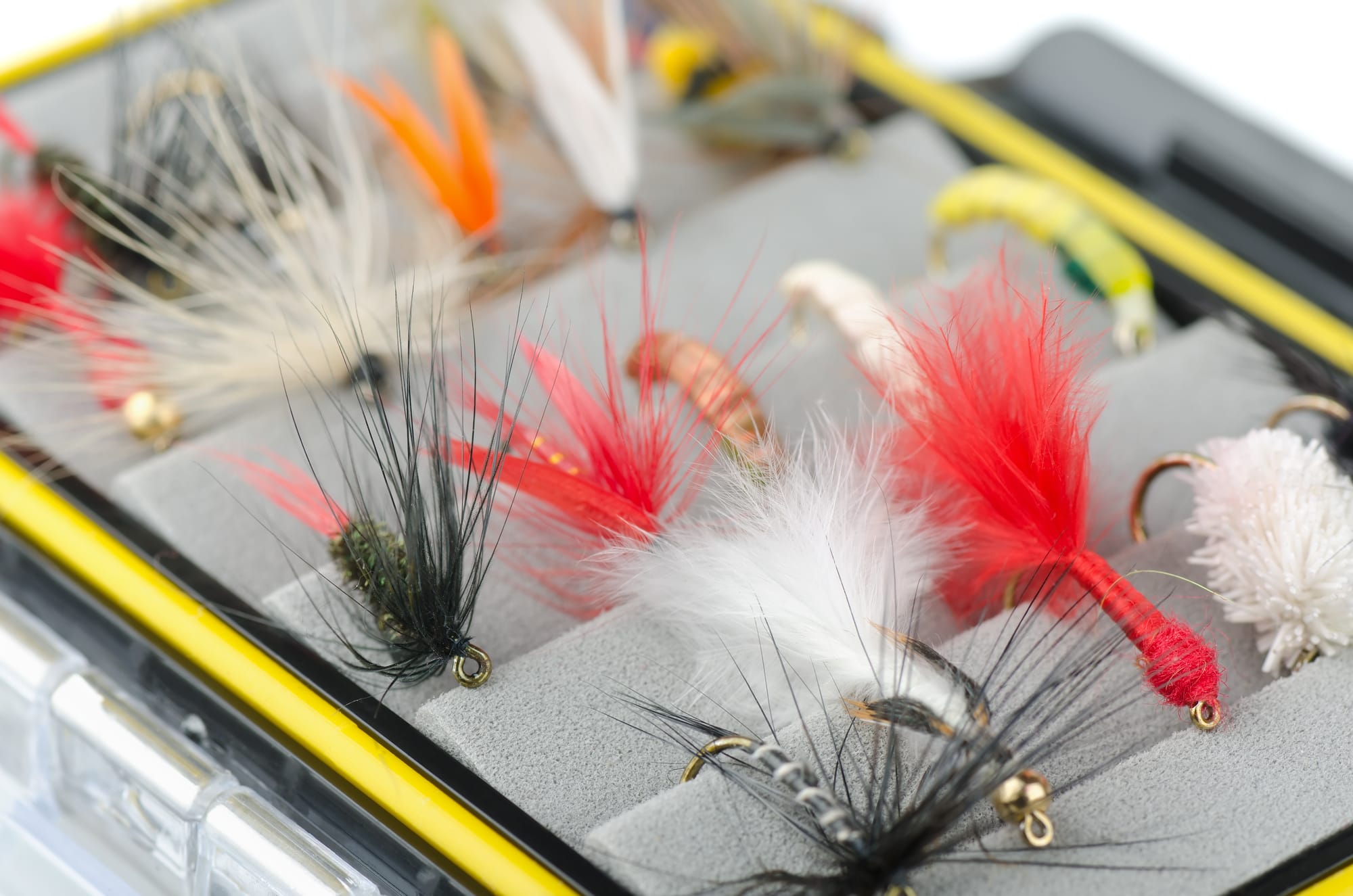
Most anglers know Wisconsin rivers and small streams can change quickly, clear one day, tea stained after a rain, and icy cold in spring. The good news is that a practical box of proven patterns will cover most situations. Below are ten fishing flies for sale that consistently catch trout, smallmouth bass, and panfish across the Driftless region, Northwoods tributaries, and Great Lakes feeder streams. Use the notes as a shopping list, then adjust sizes and colors to match your water.
Top 10 fishing flies for Wisconsin rivers and small streams
- 1. Woolly Bugger If you could carry only one pattern, this is it. A Woolly Bugger imitates leeches, sculpins, small baitfish, and even large nymphs. Fish it in black, olive, or brown, then vary weight with beadheads or coneheads. On small streams, swing it through deeper bends. On larger rivers, strip it along current seams where trout and smallmouth ambush prey.
- 2. Elk Hair Caddis Caddis are a staple on Wisconsin water, and this dry fly is a reliable floater in pocket water. It supports a wide range of hatches, and it is easy to see in riffles. Choose tan, olive, or black. Skate it slightly across the surface at dusk, or dead drift it tight to banks, under overhanging grass and near logjams.
- 3. Pheasant Tail Nymph Mayfly nymphs are everywhere, and a Pheasant Tail is a perfect skinny profile for clear water and pressured fish. It excels in spring and fall when trout hug the bottom. Fish it under an indicator, tight line it through runs, or hang it as a dropper below a dry fly. Carry a few beadhead versions for faster flows.
- 4. Hare’s Ear Nymph When you are unsure what is hatching under the surface, a Hare’s Ear is a great searching nymph. The buggy dubbing picks up micro bubbles and looks alive in the current. It can suggest mayflies, caddis, and even small stoneflies. Use it in slightly darker water where extra texture helps fish find the fly.
- 5. Zebra Midge Midges produce year round, especially in winter and early spring when larger insects are scarce. A Zebra Midge in black, red, or copper is simple, small, and deadly. Fish it as the bottom fly in a two fly nymph rig, or under a small dry on calmer pools. On clear streams, go lighter in tippet and keep your drifts drag free.
- 6. Blue Winged Olive Dry Blue winged olives are one of the most consistent mayfly hatches in Wisconsin, especially on cool, cloudy days. A BWO dry fly in sizes that match your river will cover many situations. Present it with a delicate cast, and focus on softer glides and tailouts where trout sip calmly. Keep a few emergers ready if rises are subtle and sporadic.
- 7. Parachute Adams This is the classic “I do not know what they are eating” dry fly for good reasons. The Parachute Adams suggests multiple mayflies, and it rides well in broken water. It is also visible to the angler, which helps on tight streams with complex currents. Fish it on its own, or as the lead fly with a small nymph dropper behind it.
- 8. Terrestrial, Foam Ant or Beetle From late spring through early fall, Wisconsin banks drop protein into the water. Ants and beetles are especially effective on small streams lined with grasses, alders, and hardwoods. A simple foam pattern floats well and stays visible. Cast close to the bank, let it drift naturally, and be ready because strikes are often quick and confident.
- 9. Slump Buster or Streamer Sculpin When you want larger fish, streamers that mimic sculpins and baitfish shine. A Slump Buster style pattern gets down, moves water, and triggers aggressive takes from brown trout and smallmouth. Focus on undercut banks, deep pools, and the heads of runs. Use short strips, then pause, many eats happen on the stall.
- 10. Popper or Smallmouth Slider For warmwater rivers and summer evenings, topwater is hard to beat. A small popper or slider draws explosive strikes from smallmouth bass, and panfish will gladly join in. Work it along rocky shorelines, under overhangs, and around current breaks. In clearer water, downsize and use more subtle pops with longer pauses.
Quick buying and rigging tips for Wisconsin water
- Stock multiple sizes Small streams often demand smaller flies, while larger rivers can support bigger profiles. For each pattern, carry at least two sizes so you can match conditions without changing your entire approach.
- Color matters after rain In stained water, go darker or add flash, like a black Bugger or a copper rib on a nymph. In clear water, natural tones and slimmer profiles usually work better.
- Build a simple 3 fly system A practical, effective setup is a visible dry fly, with a nymph dropper, plus a Zebra Midge or small nymph as the point fly. This covers surface, mid column, and bottom in one drift.
With these ten patterns in your box, you will be prepared for most Wisconsin river and small stream scenarios. Visit Sheboygan Fly Shop to stock up on proven flies for sale, then get out and fish the seams, riffles, and undercut banks where the next bite is waiting.