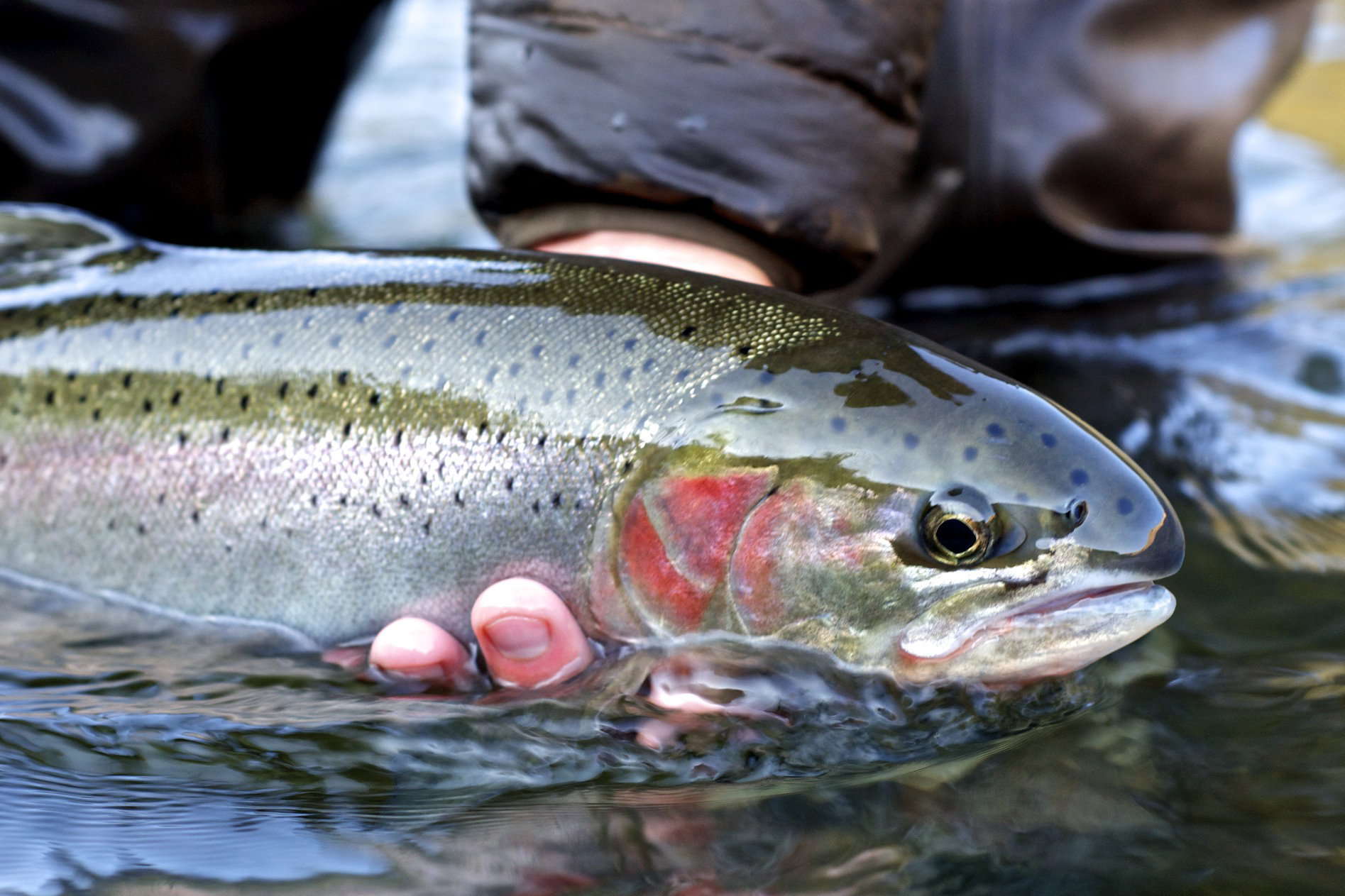
My Fall Run Cheat Sheet, the fast version
- When to go: First real rain and cooling nights kick things off. The most consistent windows are after a bump in flow and during overcast, low light days.
- What I look for: 42 to 55 degree water, rising or recently peaked flows, and enough color to make fish comfortable without turning the river to chocolate.
- Where fish pause: Soft edges, seams below riffles, tailouts, and the first walking speed water above deeper pools.
- What I throw most: Egg patterns, small swing flies, and simple nymph rigs. If water is stained, I upsize and add contrast.
- How I approach: Start low light, cover water quickly until I find fish, then slow down and repeat angles.
- Safety and ethics: Felt alternatives or studs for slime, keep fish wet, and avoid stepping through active spawning areas.
Why this cheat sheet exists
I own Sheboygan Fly Shop, and every fall my inbox fills with the same questions. “Is the run on,” “What fly should I start with,” and “How do I fish these Sheboygan tributaries without wasting the whole day.” This is my personal, field tested checklist. It is not a secret spot guide. It is how I decide when to go, what to rig, and how to fish effectively and respectfully once I am there.
Timing the fall run, what matters most
On our local tributaries, timing is a blend of temperature, flow, and light. A strong push of fish often follows rain that raises water levels and reconnects travel lanes. I pay attention to the first meaningful cool down in the evenings, then I watch for a rain event that bumps the gauge and holds for a day or two.
- Best trigger: A steady rise in flow, then a slow drop over the next 24 to 72 hours.
- Most productive hours: Dawn to mid morning, then the last two hours of daylight.
- Pressure factor: After a popular weekend, I fish midweek and focus on less obvious water, like long glides and secondary seams.
Reading Sheboygan tributary water quickly
If I have only a couple hours, I fish water that helps me learn fast. Riffle into run transitions, walking speed current, and tailouts tell me whether fish are moving and whether they are willing. If I see fresh tracks in the mud, a few rolling fish at first light, or a consistent “push” of moving shadows in softer current, I slow down and start covering lanes more carefully.
- Travel lanes: Inside bends, soft edges, and knee deep seams where fish can move without fighting current.
- Resting spots: The first soft water below fast current, and the cushion behind midstream rocks.
- Holding lies: Deeper slots at the head of pools, and the tailout where current lines converge.
My default setups, simple and flexible
I keep my fall run rigs uncomplicated because the variables change fast. Water clarity can shift in a single afternoon. Angling pressure changes fish behavior. The goal is to adjust without completely re rigging.
- Indicator nymph rig: A bright sighter or indicator, split shot as needed, and one or two flies. This is my most consistent producer when fish are holding.
- Short swing rig: A sink tip or weighted fly, cast slightly down and across, then let it swim through the seam. This shines in walking speed runs.
- Lightweight “cover water” rig: A single fly and minimal weight for shallow glides. Great when fish are spooky in clear water.
Flies that earn a spot in my box
I like patterns that are easy to see, easy to fish, and easy to explain at the shop counter. On Sheboygan tributaries in fall, I am usually matching eggs, small bait, or general attractor behavior. I change size and contrast before I change the whole concept.
- Eggs: Peach, orange, and pale tones in clear water. Hot colors and two tone patterns in stain.
- Nymphs: Stonefly style patterns and small dark bugs when fish are negative or pressured.
- Streamers and swing flies: Black, olive, and white with a bit of flash when the water has color.
- Top rule: If I cannot control depth, I am not really fishing the fly. I add or remove weight first.
Depth and speed, the two levers that matter
Most tough days are depth problems. If I am not ticking bottom occasionally with a nymph rig, I am probably too high. If I am snagging every cast, I am too low or too slow. I adjust in small steps. Add a tiny piece of shot, lengthen the leader under the indicator, or change the angle so the fly spends more time in the lane.
With swung flies, I think in terms of speed. If the fly is ripping, I mend to slow it down or I step down the run and change my casting angle. If it is dragging lifeless, I reduce mending or lighten up so it swims.
Landing and handling fish, my shop standards
These fish are the reason we have a fall season. I want them to swim away strong, and I want other anglers to have the same opportunity tomorrow.
- Keep them wet: Unhook in the water when possible.
- Use the right net: Rubber bags reduce damage.
- Move with purpose: Do not overplay fish. Use appropriate tippet and steady pressure.
- Respect redds: If you see clean, light gravel with fish paired up, do not step through it and do not target fish actively spawning.
Access, regulations, and staying out of trouble
Before every fall run outing, I confirm current regulations for the specific water I plan to fish. Tributaries can have different rules, seasons, and boundaries. I also build a plan that keeps me on legal public access or clearly permitted areas. If I am unsure, I do not assume.
My personal packing list for a Sheboygan fall day
- Wading basics: Wading staff, polarized glasses, and studs or grippy soles for algae coated rocks.
- Layering: A warm hat, thin gloves, and a spare dry top in the truck.
- Rigging kit: Split shot range, extra tippet, floatant, and forceps.
- Respect kit: Small trash bag, headlamp for walking out safely, and a tape measure if I might keep a legal fish.
The one mistake I see every fall
Anglers lock into one run and one fly for too long. My rule is simple. If I have not had a clear sign in 20 to 30 minutes, a grab, a tap, a follow, or even a bottom tick that tells me I am in the zone, I change something. I move to a new piece of water, adjust depth, or switch to a higher visibility pattern. The fall run rewards anglers who cover water with intention, then slow down once they find life.
If you want this dialed in faster
If you stop into Sheboygan Fly Shop, I am happy to help you translate this cheat sheet into a plan for the day you are actually fishing. Bring your rod, your wading setup, and a quick photo of the water color if you have one. We will build a simple rig, pick a starting fly, and talk through how to fish it effectively on our Sheboygan tributaries.